median
don steward
mathematics teaching 10 ~ 16

Showing posts with label recurring decimals. Show all posts

Saturday, 19 October 2019

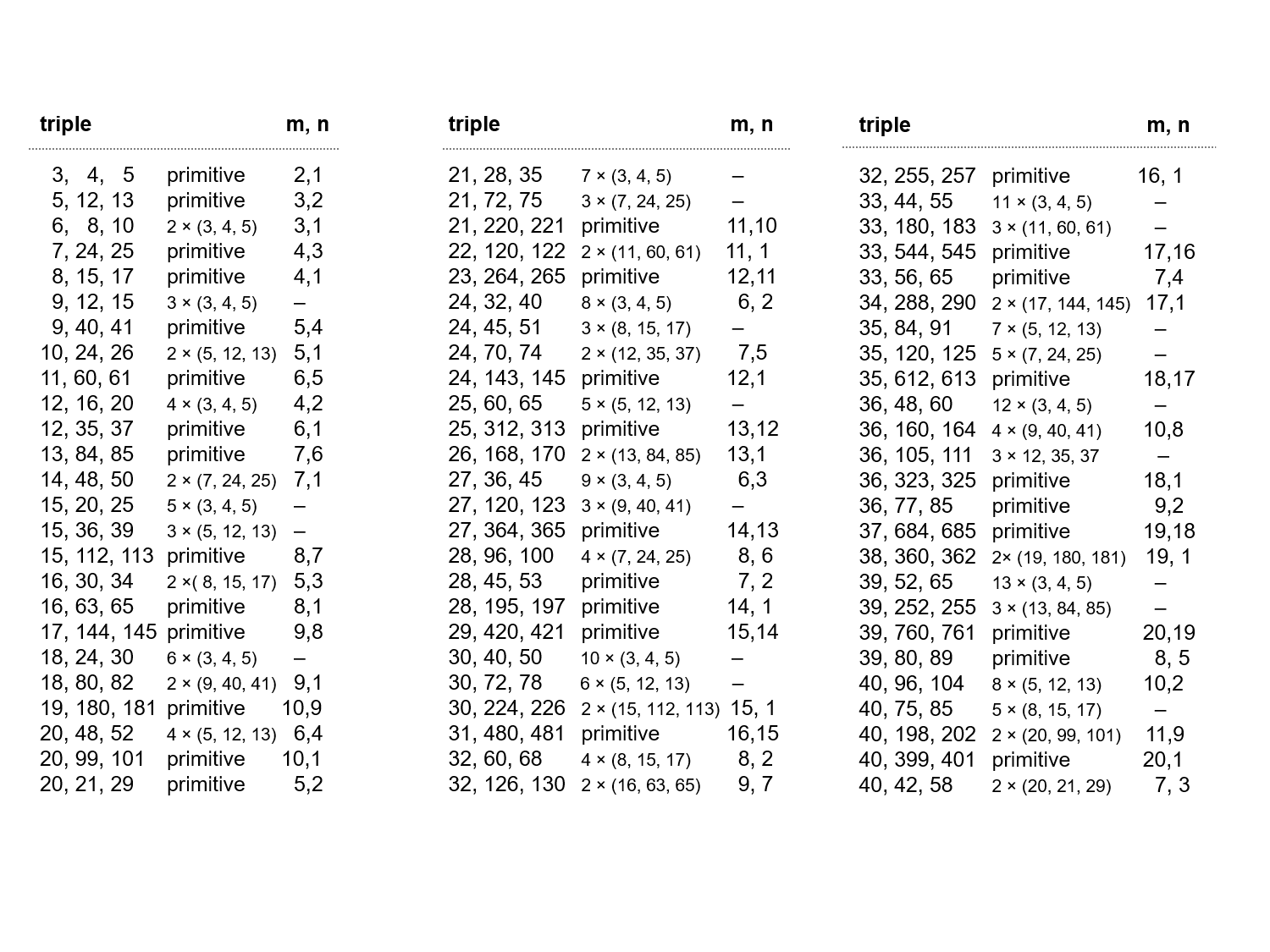
recurring decimals and pythagoras

thanks to Mr Toop in Harrogate
and Martin Wilson

somewhat disguised pythagorean triples


maybe avoid using a calculator

Monday, 13 February 2017

recurring decimals

this idea is due to Martin Wilson in Harrogate
I have slightly adapted his questions, only to provide easily checked answers


Monday, 6 January 2014

Tuesday, 12 February 2013

fractions to recurring decimals

an opportunity to do some ('bus stop') division

having looked at thirds, ninths and elevenths

a ppt is here

see also the posting on Puntmat relating to this topic


how can you tell what number the sevenths start with?


picture from Puntmat
(originally from Wikimedia)


note that opposite digits on the circle sum to 9

again, opposite digits sum to 9


the 'length' of the 31ths blocks are only 15 digits

youtube video:
998,001
numberphile
introduced by
Dr James Grime


where did the 8 go?


31ths repeat after 15 digits
41ths repeat after only 5 digits
more information on wikipedia


Tuesday, 4 December 2007

sevenths as a decimal

the repeating pattern for sevenths written as a decimal is fairly easily remembered since it goes            14 28 57 which is
double 7,
double 14,
double 28 ... oops!

the reasons for this are:
  • 100 divided by 7 is 14 remainder 2
  • so the next block of two digits will be the result of dividing 200 by 7, which is 28 (remainder 4)
  • so the next block of two digits will be the result of dividing 400 by 7, which is 57 (not 56) remainder 1; after which the process repeats itself

if you split the six digit (printing) block for sevenths into two parts and add them: 142 + 857 you get 999 and if you split it into three parts and add them: 14 + 28 + 57 you get 99

this neat property is shared by the block of six repeating numbers for thirteenths and other decimal equivalents to fractions

and also, it might be interesting to note that ...